
Remember that camellia sinensis is the plant behind true tea, while herbal tea and yerba mate live in their own delicious little worlds. That means caffeine content can vary a lot depending on the type of tea you choose. If you want something bright and brisk, green tea is lovely; if you want deeper notes, black tea and earl grey can shine; and if you want something floral and gentle, white tea is a quiet stunner.
For readers who enjoy comparing drinks, the same kind of curiosity that leads to posts like Cold Brew vs Iced Coffee often shows up here too. The cold-brewing process is all about texture, balance, and what your taste buds want from the first sip.
What You Need Before You Start
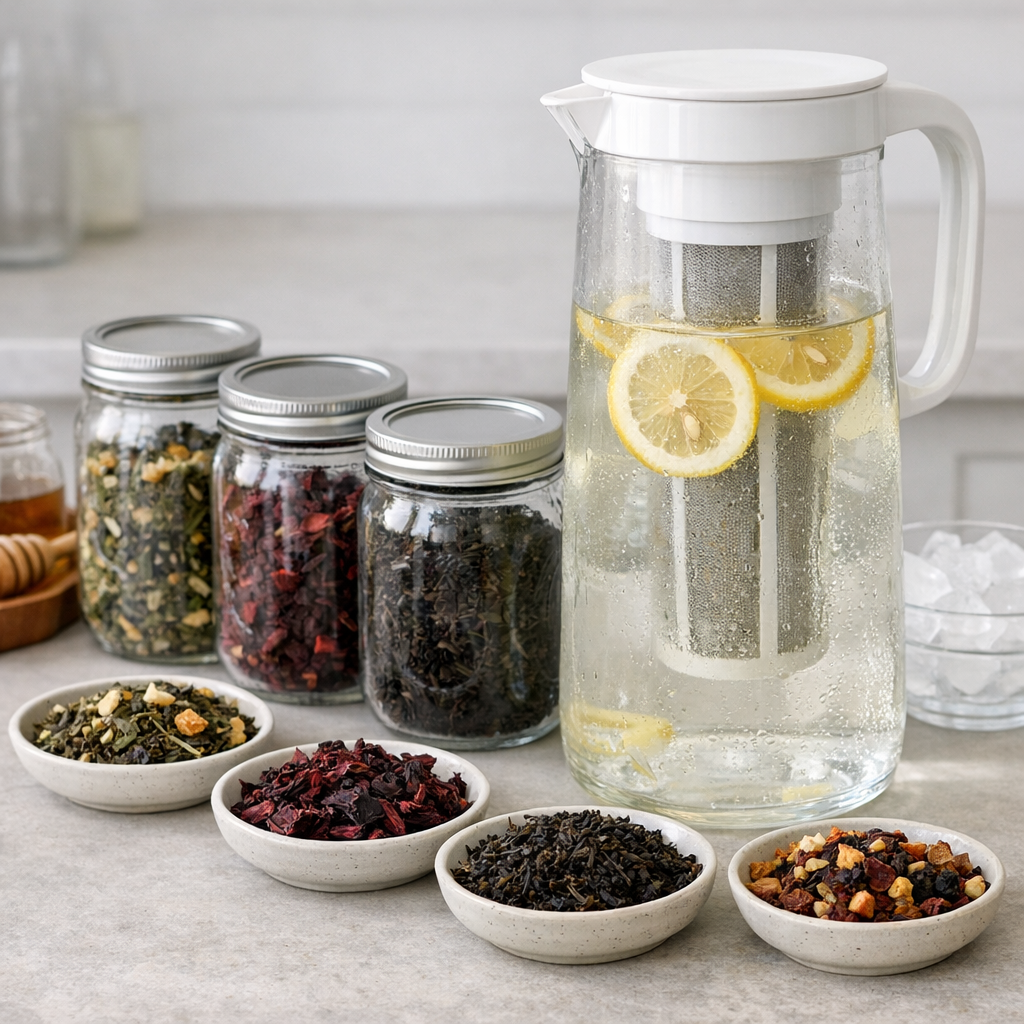
You do not need a fancy setup to make delicious cold brew tea. A large pitcher, mason jars, a glass jar, or even a cold brew tea bottle can all get the job done. Some people like a french press because it makes cleanup simple, while others prefer a hot water kettle sitting off to the side like a decorative object because, honestly, you won’t need much hot water here.
The real essentials are tea, water, and time. Use cold filtered water if you can, or bottled water if that’s what you have on hand. A water bottle works for a small batch, and a cup of water is fine for testing flavors before you scale up. If you’re brewing a larger batch, cups of water and ounces of water matter mostly because consistency makes your steeping time easier to repeat later.
How To Make Cold Brew Tea Without Fuss
Here’s the part people always want: How To Make Cold Brew Tea in a way that feels calm instead of complicated. Think of it as a step-by-step guide for patience, not precision theater. The cold brew technique lets the tea steeps slowly in cold water, giving you a smooth brew that’s perfect for homemade iced tea or a clean unsweetened iced tea base.
The cold-brewed tea process is forgiving, which is why it’s often called the best way to make tea when you want a softer sip. Whether you’re making cold-steeping tea for yourself or prepping a large pitcher for guests, the method is wonderfully adaptable. You can use loose tea leaves or tea bags, and you can adjust steep times to match your tea type and personal taste.
If you like coffeehouse-style drinks, you might also enjoy browsing Chick Fil A Mocha Cold Brew Recipe or the cozy twist in Dutch Bros Soft Top Recipe: What is This Coffee Delight?. The overlap between cold brew coffee and cold-brew tea is more poetic than practical, but the same patience pays off in both.
Water Temperature And Steeping Time Matter
When people ask about water temperature, the answer is delightfully boring: keep it cold, or at least room temperature water if you’re in a hurry and don’t mind a gentler extraction. The cold-brew method is intentionally low and slow, and that’s what keeps the flavor from getting harsh. If you’re using a cup of tea or several teaspoons of tea, the steeping time will shape everything from aroma to body.
Tea steeps differently depending on the tea type, the amount of tea leaves, and your preferred brewing technique. Green tea usually needs less time than black tea; oolong teas land somewhere in the middle; white tea can be delicate and elegant; herbal infusions may need a bit more patience. The goal is to find your sweet spot so the final cup tastes fresh, not muddy or overworked.
Flavor Ideas For A Better Chill
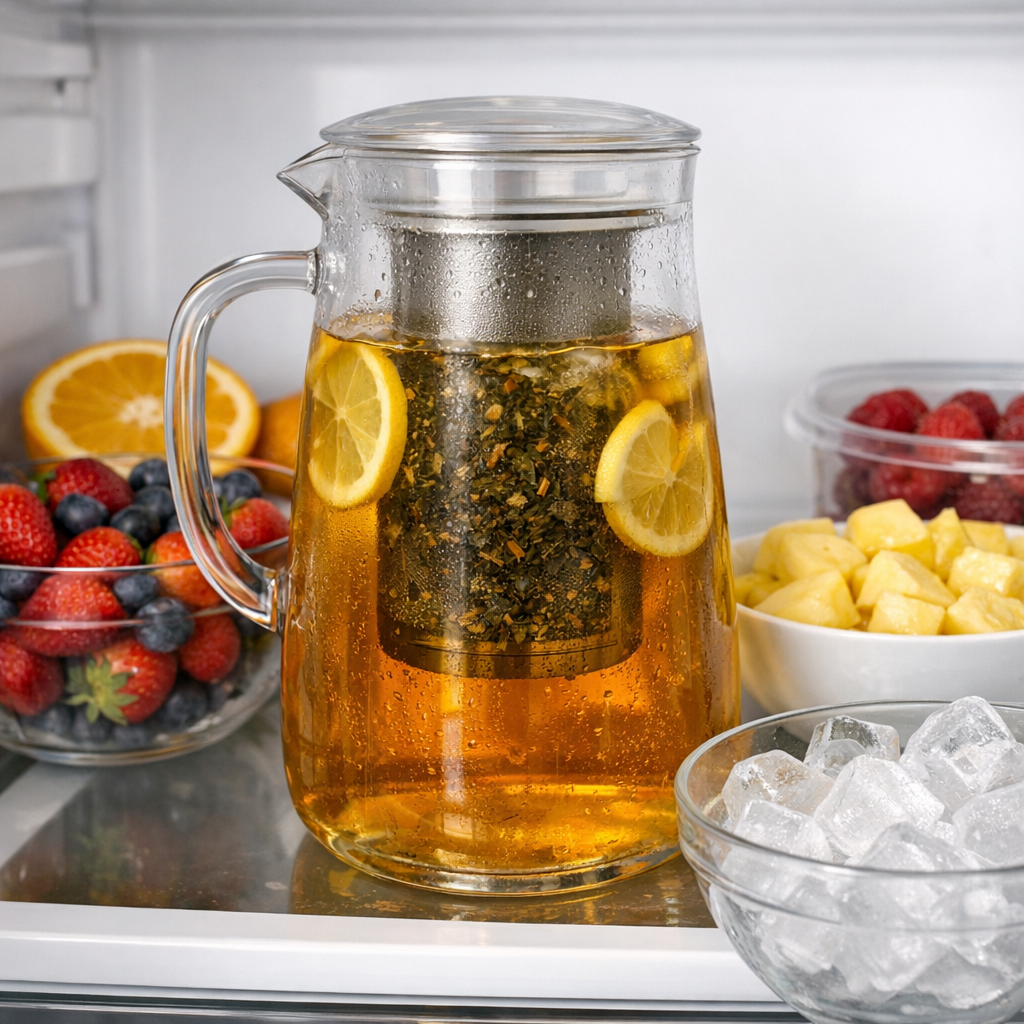
Once you’ve got the basic cold brewing process down, the fun begins. Add fresh fruit for brightness, a splash of fruit juice for a playful twist, or sweetener of choice if you like your tea with a little sparkle. Many people reach for simple syrup because it blends smoothly into cold brewed tea, while others lean into brown sugar for a deeper, caramel-like note.
If you’re craving a classic sweet tea feeling, you can nudge the drink toward that nostalgic lane without making it heavy. For fans of sweet tea and traditional iced tea, this is a lovely way to get a similar vibe with less bitterness and more nuance. The sweeter flavor can be subtle or bold depending on much sweetener you add, and that is part of the charm.
Some people like to turn this into a dessert-adjacent sip, the same way others enjoy a frothy treat like Greg Doucette Protein Ice Cream: Anabolic Recipe for Doucettes Cream. It’s all about mood, really: playful, chilled, and just a little extra.
Best Tea Picks For Every Mood
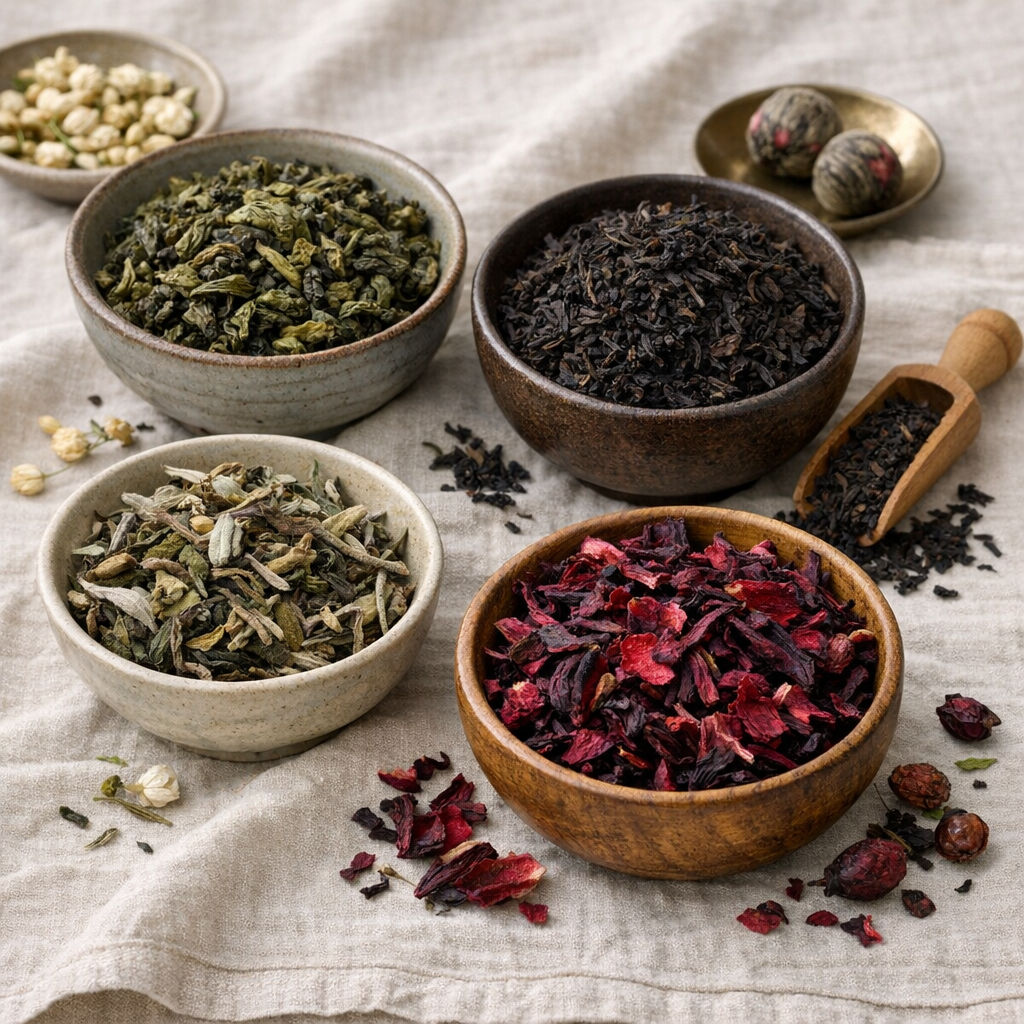
If you want the best iced tea experience, match the tea to the moment. Green tea brings a clean and grassy lift. Black tea blend can feel bold and familiar. White tea tastes soft and airy. Oolong teas deliver a layered, almost silky character. Hibiscus tea creates a ruby-colored cup with a tangy edge, while yerba mate adds a spirited, earthy kick that tea drinkers either fall for instantly or keep as a curious side quest.
In winter months, cold brew tea can still feel comforting because the cold brewing tea method produces a mellow sip that doesn’t shout. That makes it a nice companion to traditional tea rituals and a refreshing break from hot brewed tea. If you’re comparing tea type options, think of it less like choosing the right answer and more like choosing the right soundtrack.
For readers who enjoy comparing classic brews, Irish Breakfast Tea vs English Breakfast Tea is a helpful companion read when you’re deciding what to steep tea with next.
Serving Your Tea Like A Tiny Café Moment
Cold-brewed iced tea is at its best when it feels easy and a little polished. Pour it over ice cubes, add a slice of citrus or a handful of fresh fruit, and suddenly you’ve got a homemade iced tea that looks like it has its life together. If you’re using a large pitcher, it’s simple to keep chilled in the fridge for quick pours all day long.
A fine mesh strainer is useful if you’re working with loose tea leaves, especially if you prefer a clear, clean cup. A french press can also make straining painless, and a glass jar with a lid is great for smaller batches. For a portable option, a cold brew tea bottle can ride along in your bag like a tiny summer sidekick. If you’re the kind of person who loves a no-nonsense drink, this is the easiest way to keep tea ready whenever you want it.
Common Mistakes To Avoid
The only downside to cold brew tea is that people sometimes treat it like an afterthought, then wonder why the flavor feels flat. Using the wrong water temperature, overloading the jar, or ignoring steeping time can lead to weak results or, occasionally, a drink that tastes sleepy rather than smooth. The good news is that the cold-brew method is forgiving enough that small tweaks make a big difference.
Another easy misstep is treating every tea the same. A delicate white tea will not behave like a sturdy black tea blend, and herbal tea may need a different approach than regular tea. Even bottled water versus cold filtered water can subtly change the final cup. If your first batch doesn’t hit the mark, don’t panic; that’s just the cold brewing process teaching you your own preferences.
For more drink inspiration, some readers enjoy Iced Blonde Vanilla Latte Recipe when they’re in a café mood, while others like Can Cold Brew Coffee Go Bad? for a similar make-ahead mindset. Tea and coffee may travel different roads, but they share the same love of chilled convenience.
Make It Your Own And Enjoy The Calm
Once you learn How To Make Cold Brew Tea, you can start bending the rules with confidence. Try a simple recipe with a favorite teas rotation, rotate between loose tea leaves and tea bags, or experiment with a splash of simple syrup one day and fruit juice the next. You can keep it crisp and unsweetened iced tea style, or lean into a richer, sweeter flavor when the mood hits.
That’s the beauty of cold-brewing tea: it’s a relaxing ritual with room for personality. You’re not forcing flavor out of the leaves; you’re inviting it to show up slowly. Whether you call it cold-brew tea, cold-brewed tea, or just your afternoon reset, this is the kind of drink that makes ordinary afternoons feel a little more intentional. And when you’re ready for your next beverage adventure, maybe compare it to Can an Espresso Machine make Regular Coffee? or Does Coffee with Creamer Break a Fast? for a totally different kind of kitchen curiosity.
If you’ve ever wondered How To Make Cold Brew Tea without turning your kitchen into a tiny chemistry lab, you’re in the right place. This is the kind of chilled-out brewing that feels like summer wearing sunglasses: smooth, mellow, and quietly confident. On a hot summer day, cold brewing tea gives you a refreshing tea drink that skips the sharp edges of hot tea and leans into a softer, sweeter flavor.
Why Cold Brew Tea Feels So Magic
Cold brewing tea is one of those small pleasures that feels a little luxurious and a lot easy. Instead of rushing with hot water, you let cold water do the heavy lifting while the leaves slowly open up and release their character. That slow dance is why cold brewed tea often tastes less bitter and more rounded than traditional iced tea.
Tea drinkers love this cold brew method because it can tame bitter flavors and highlight the best parts of the tea. Whether you’re working with green tea, black tea blend, white tea, oolong teas, or even herbal tea, the low-and-slow approach brings out a softer profile that many people prefer over hot brewed tea. If you already enjoy cold brew coffee, the vibe will feel familiar, just a little more botanical and a little more graceful.

Choosing The Right Tea Type
The easiest way to begin is by picking a tea type that fits your mood. Loose leaf tea and loose-leaf tea usually give the best results because they have room to unfurl, but tea bags can work too, especially if you’re using lipton tea bags for a quick pantry fix. You can experiment with regular tea, earl grey, black tea blend, green tea, white tea, oolong teas, or even herbal infusions like hibiscus tea.
Remember that camellia sinensis is the plant behind true tea, while herbal tea and yerba mate live in their own delicious little worlds. That means caffeine content can vary a lot depending on the type of tea you choose. If you want something bright and brisk, green tea is lovely; if you want deeper notes, black tea and earl grey can shine; and if you want something floral and gentle, white tea is a quiet stunner.
For readers who enjoy comparing drinks, the same kind of curiosity that leads to posts like Cold Brew vs Iced Coffee often shows up here too. The cold-brewing process is all about texture, balance, and what your taste buds want from the first sip.
What You Need Before You Start
You do not need a fancy setup to make delicious cold brew tea. A large pitcher, mason jars, a glass jar, or even a cold brew tea bottle can all get the job done. Some people like a french press because it makes cleanup simple, while others prefer a hot water kettle sitting off to the side like a decorative object because, honestly, you won’t need much hot water here.
The real essentials are tea, water, and time. Use cold filtered water if you can, or bottled water if that’s what you have on hand. A water bottle works for a small batch, and a cup of water is fine for testing flavors before you scale up. If you’re brewing a larger batch, cups of water and ounces of water matter mostly because consistency makes your steeping time easier to repeat later.
How To Make Cold Brew Tea Without Fuss
Here’s the part people always want: How To Make Cold Brew Tea in a way that feels calm instead of complicated. Think of it as a step-by-step guide for patience, not precision theater. The cold brew technique lets the tea steeps slowly in cold water, giving you a smooth brew that’s perfect for homemade iced tea or a clean unsweetened iced tea base.
The cold-brewed tea process is forgiving, which is why it’s often called the best way to make tea when you want a softer sip. Whether you’re making cold-steeping tea for yourself or prepping a large pitcher for guests, the method is wonderfully adaptable. You can use loose tea leaves or tea bags, and you can adjust steep times to match your tea type and personal taste.
If you like coffeehouse-style drinks, you might also enjoy browsing Chick Fil A Mocha Cold Brew Recipe or the cozy twist in Dutch Bros Soft Top Recipe: What is This Coffee Delight?. The overlap between cold brew coffee and cold-brew tea is more poetic than practical, but the same patience pays off in both.
Water Temperature And Steeping Time Matter
When people ask about water temperature, the answer is delightfully boring: keep it cold, or at least room temperature water if you’re in a hurry and don’t mind a gentler extraction. The cold-brew method is intentionally low and slow, and that’s what keeps the flavor from getting harsh. If you’re using a cup of tea or several teaspoons of tea, the steeping time will shape everything from aroma to body.
Tea steeps differently depending on the tea type, the amount of tea leaves, and your preferred brewing technique. Green tea usually needs less time than black tea; oolong teas land somewhere in the middle; white tea can be delicate and elegant; herbal infusions may need a bit more patience. The goal is to find your sweet spot so the final cup tastes fresh, not muddy or overworked.
Flavor Ideas For A Better Chill
Once you’ve got the basic cold brewing process down, the fun begins. Add fresh fruit for brightness, a splash of fruit juice for a playful twist, or sweetener of choice if you like your tea with a little sparkle. Many people reach for simple syrup because it blends smoothly into cold brewed tea, while others lean into brown sugar for a deeper, caramel-like note.
If you’re craving a classic sweet tea feeling, you can nudge the drink toward that nostalgic lane without making it heavy. For fans of sweet tea and traditional iced tea, this is a lovely way to get a similar vibe with less bitterness and more nuance. The sweeter flavor can be subtle or bold depending on much sweetener you add, and that is part of the charm.
Some people like to turn this into a dessert-adjacent sip, the same way others enjoy a frothy treat like Greg Doucette Protein Ice Cream: Anabolic Recipe for Doucettes Cream. It’s all about mood, really: playful, chilled, and just a little extra.
Best Tea Picks For Every Mood
If you want the best iced tea experience, match the tea to the moment. Green tea brings a clean and grassy lift. Black tea blend can feel bold and familiar. White tea tastes soft and airy. Oolong teas deliver a layered, almost silky character. Hibiscus tea creates a ruby-colored cup with a tangy edge, while yerba mate adds a spirited, earthy kick that tea drinkers either fall for instantly or keep as a curious side quest.
In winter months, cold brew tea can still feel comforting because the cold brewing tea method produces a mellow sip that doesn’t shout. That makes it a nice companion to traditional tea rituals and a refreshing break from hot brewed tea. If you’re comparing tea type options, think of it less like choosing the right answer and more like choosing the right soundtrack.
For readers who enjoy comparing classic brews, Irish Breakfast Tea vs English Breakfast Tea is a helpful companion read when you’re deciding what to steep tea with next.
Serving Your Tea Like A Tiny Café Moment
Cold-brewed iced tea is at its best when it feels easy and a little polished. Pour it over ice cubes, add a slice of citrus or a handful of fresh fruit, and suddenly you’ve got a homemade iced tea that looks like it has its life together. If you’re using a large pitcher, it’s simple to keep chilled in the fridge for quick pours all day long.
A fine mesh strainer is useful if you’re working with loose tea leaves, especially if you prefer a clear, clean cup. A french press can also make straining painless, and a glass jar with a lid is great for smaller batches. For a portable option, a cold brew tea bottle can ride along in your bag like a tiny summer sidekick. If you’re the kind of person who loves a no-nonsense drink, this is the easiest way to keep tea ready whenever you want it.
Common Mistakes To Avoid
The only downside to cold brew tea is that people sometimes treat it like an afterthought, then wonder why the flavor feels flat. Using the wrong water temperature, overloading the jar, or ignoring steeping time can lead to weak results or, occasionally, a drink that tastes sleepy rather than smooth. The good news is that the cold-brew method is forgiving enough that small tweaks make a big difference.
Another easy misstep is treating every tea the same. A delicate white tea will not behave like a sturdy black tea blend, and herbal tea may need a different approach than regular tea. Even bottled water versus cold filtered water can subtly change the final cup. If your first batch doesn’t hit the mark, don’t panic; that’s just the cold brewing process teaching you your own preferences.
For more drink inspiration, some readers enjoy Iced Blonde Vanilla Latte Recipe when they’re in a café mood, while others like Can Cold Brew Coffee Go Bad? for a similar make-ahead mindset. Tea and coffee may travel different roads, but they share the same love of chilled convenience.
Make It Your Own And Enjoy The Calm
Once you learn How To Make Cold Brew Tea, you can start bending the rules with confidence. Try a simple recipe with a favorite teas rotation, rotate between loose tea leaves and tea bags, or experiment with a splash of simple syrup one day and fruit juice the next. You can keep it crisp and unsweetened iced tea style, or lean into a richer, sweeter flavor when the mood hits.
That’s the beauty of cold-brewing tea: it’s a relaxing ritual with room for personality. You’re not forcing flavor out of the leaves; you’re inviting it to show up slowly. Whether you call it cold-brew tea, cold-brewed tea, or just your afternoon reset, this is the kind of drink that makes ordinary afternoons feel a little more intentional. And when you’re ready for your next beverage adventure, maybe compare it to Can an Espresso Machine make Regular Coffee? or Does Coffee with Creamer Break a Fast? for a totally different kind of kitchen curiosity.
Comments
No Comments