
Why This Maharashtrian Sabudana Khichdi Recipe Feels Like Home
If there is one dish that can make fasting days feel cozy instead of complicated, it is this maharashtrian sabudana khichdi recipe, the kind of soft, nutty, lemony comfort that smells like a busy family kitchen during vrat season.
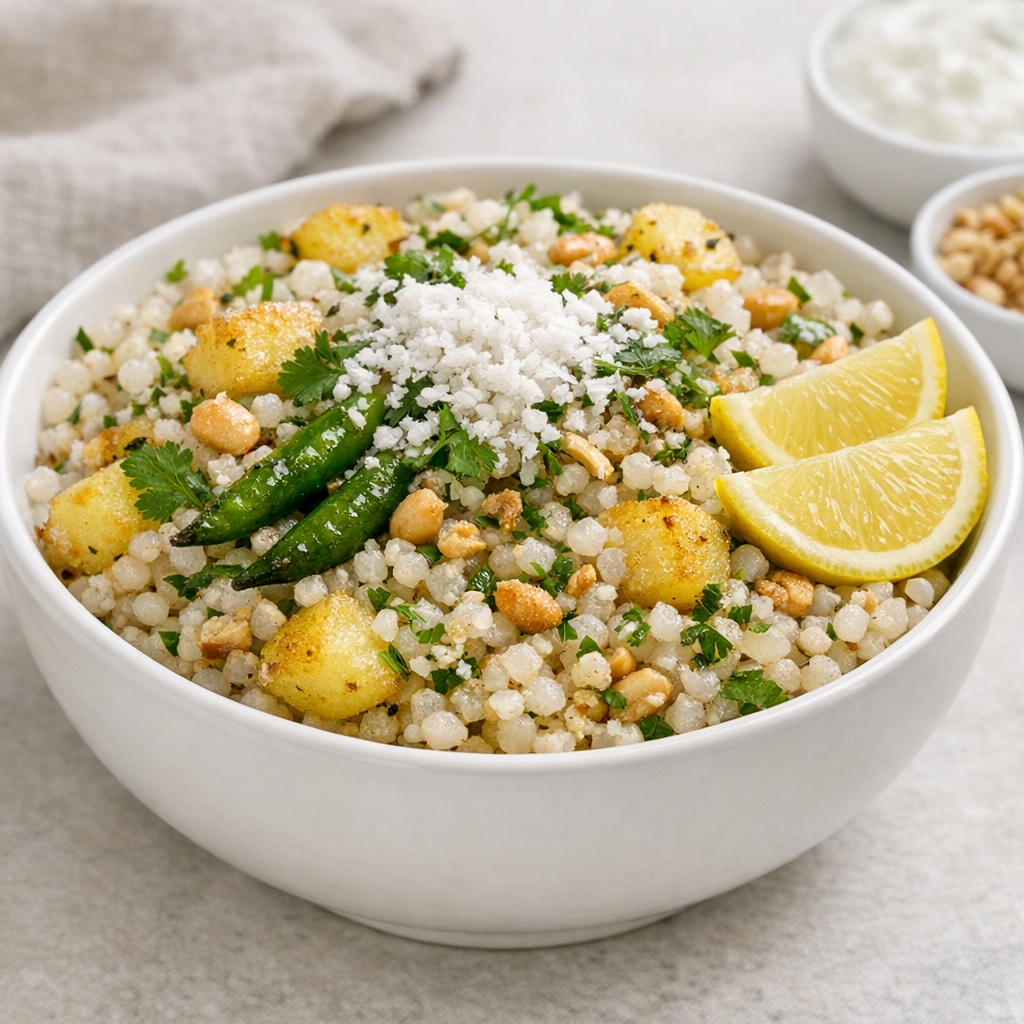
Sabudana khichdi is one of those dishes that looks humble, but oh, it has personality. The pearls bounce, the peanuts crunch, the potatoes sneak in like tiny golden pillows, and the whole bowl says, “Relax, I’ve got you.”
The Fasting Day Magic Of Sabudana
In many Maharashtrian homes, sabudana is more than a pantry staple; it is fasting season royalty. It shows up as sago khichdi, sabudana vada, sago kheer, and other vrat fasting food favorites that make a fasting meal feel festive.
Made from cassava root, tapioca pearls are light yet filling, and they fit beautifully into indian cuisine because they take on flavor like tiny edible sponges. Add a little zing, a little nuttiness, and suddenly you have a healthy meal that doubles as great breakfast food.
What Makes Maharashtrian Sabudana Khichdi Recipe Special
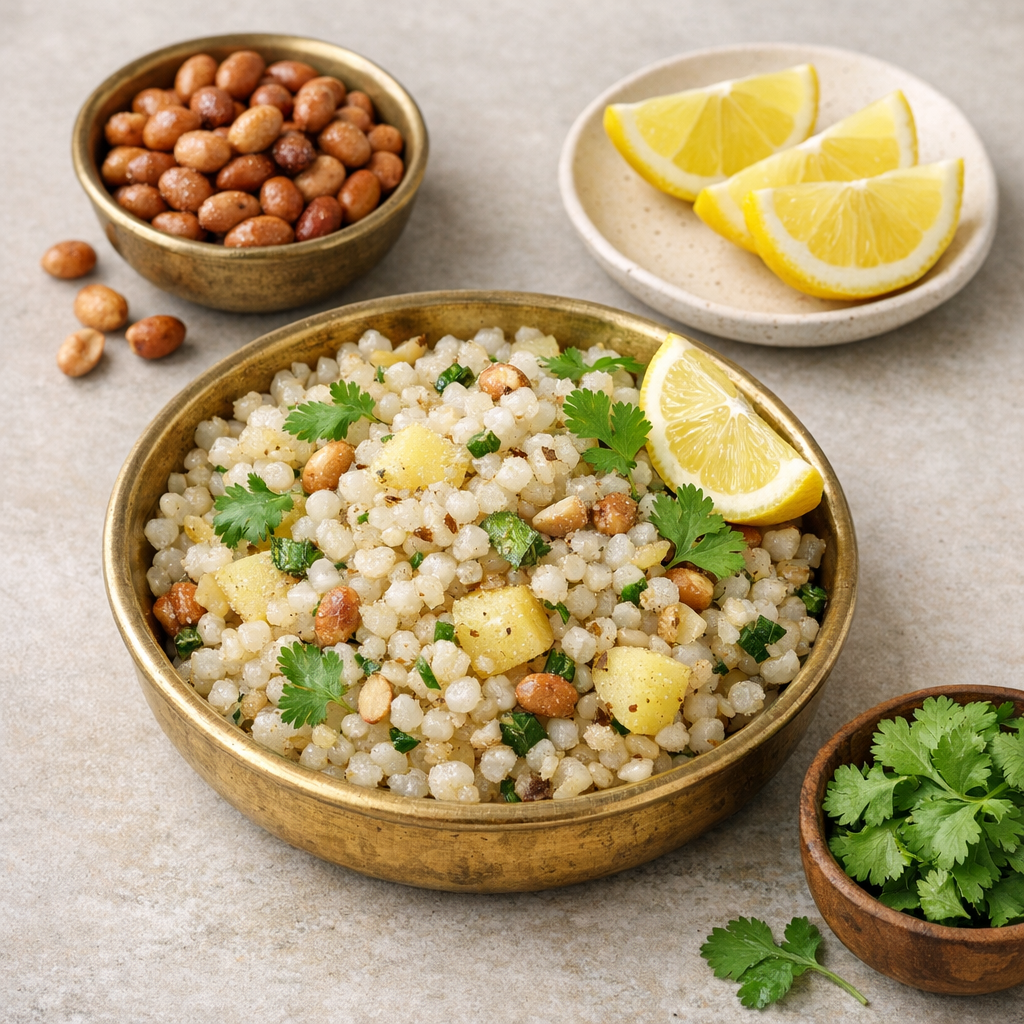
The Maharashtrian Sabudana Khichdi Recipe has a very specific charm: it is simple, lively, and deeply comforting without trying too hard. The flavor usually dances around green chillies, cumin seeds, curry leaves, coriander leaves, lemon juice, and the famous addition of peanuts.
That balance is what turns a regular sabudana khichdi recipe into a true maharashtrian recipe. It is not meant to be heavy or fussy; it is meant to feel warm, bright, and friendly, like a quick kitchen hug before the day gets busy.
Sabudana, Sago, And The Pearly Little Mystery
People often use sabudana, sago, and tapioca pearls as if they are the same thing, and in everyday cooking talk, that is usually fine. But when you start exploring different types of sabudana, you quickly realize the size of the sabudana pearls can change the entire perception of the dish.
Larger sago pearls may need more patience, while smaller pearls can behave differently with lesser soaking. That is why soaking time matters so much, and why the phrase cup sabudana can mean slightly different things depending on what is sitting in your bowl.

Texture Is The Whole Love Story
The dream is a soft, separate, slightly chewy texture, not sticky khichdi and definitely not gloopy food. A good bowl of cooked sabudana should look loose and pearly, with each grain carrying flavor without turning into a paste.
The big villain is excess moisture, followed closely by excess starch. People often panic and add little water, then more, and then somehow end up - too much water becomes the plot twist nobody wanted. The goal is just enough water, not a swimming pool for pearls.
For novice cooking, this is where simple tips save the day. A cup water note, a cup of sabudana estimate, or a memory from madhura's video can be helpful, but your fingers and eyes are the real judges of right consistency.
Peanuts Are The Plot Twist
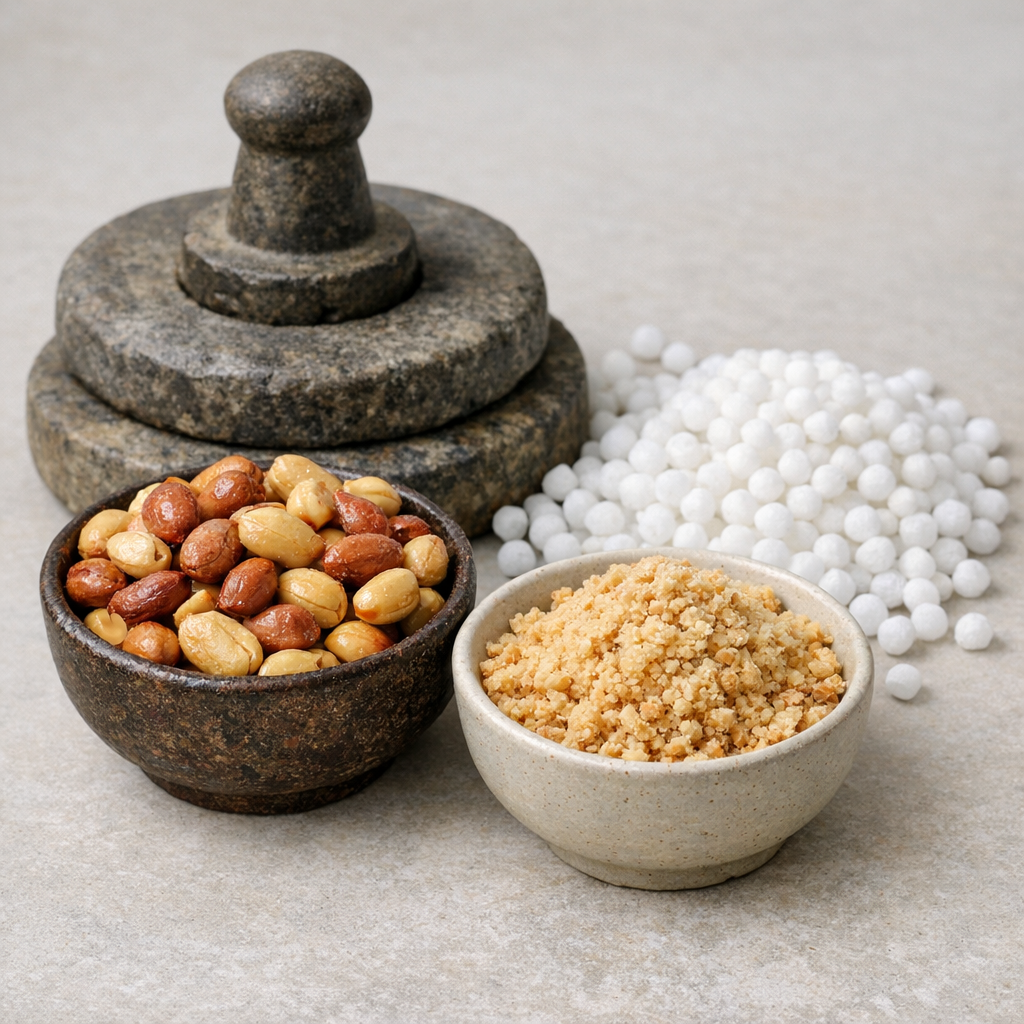
Peanuts give this dish its swagger. Some homes begin with raw peanuts, some talk about how to dry roast peanuts, and some keep a jar of coarse powder ready like secret kitchen treasure. Either way, the nutty aroma is half the reason people hover near the stove.
A spice grinder can help create a rustic peanut crush, but the desired amount of peanut powder is personal. Some like just a whisper, while others ask, “Can there ever be too much peanut powder?” Honestly, that crowd knows how to make fasting food protein heavy and proud.
Potato, Chillies, And That Cozy Maharashtrian Mood
Boiled potatoes bring softness and body, especially when cut into small pieces that can turn golden brown around the edges. They make the bowl feel generous, like it has saved a little extra comfort just for you.
Then come the fresh sparks: green chilies or green chillies, depending on how your family spells them, plus lemon juice and coriander leaves for brightness. The flavor should feel awake but not aggressive, because this is fasting food, not a dare.
Timing Without The Stress
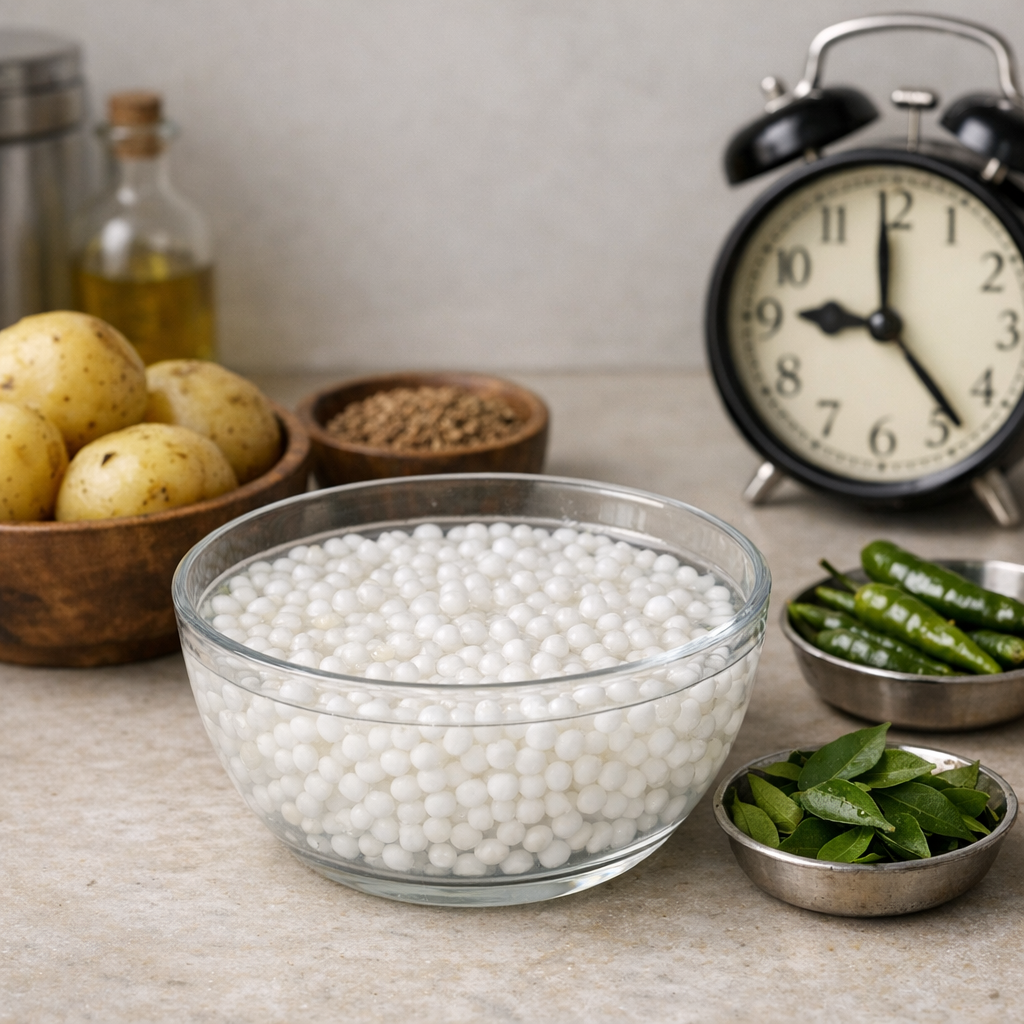
Every family has different methods, and every packet seems to have its own little personality. Some pearls behave beautifully after 4-5 hours, some need more rest, and some people prefer planning ahead for 2-3 days during a busy fasting season.
The cooking time itself is usually not the scary part. People casually say 5-7 minutes here, 3-4 minutes there, medium heat for this, low flame for that, and it can sound like a tiny exam. But once the soaked sabudana is right, the rest feels like a very easy thing.
Common Khichdi Drama And How To Dodge It
The biggest drama in any maharashtrian sabudana khichdi recipe is stickiness. One minute the pearls look innocent, the next minute they clump together like they signed a lifelong friendship pact. This is where detailed tips matter more than fancy cooking ideas.
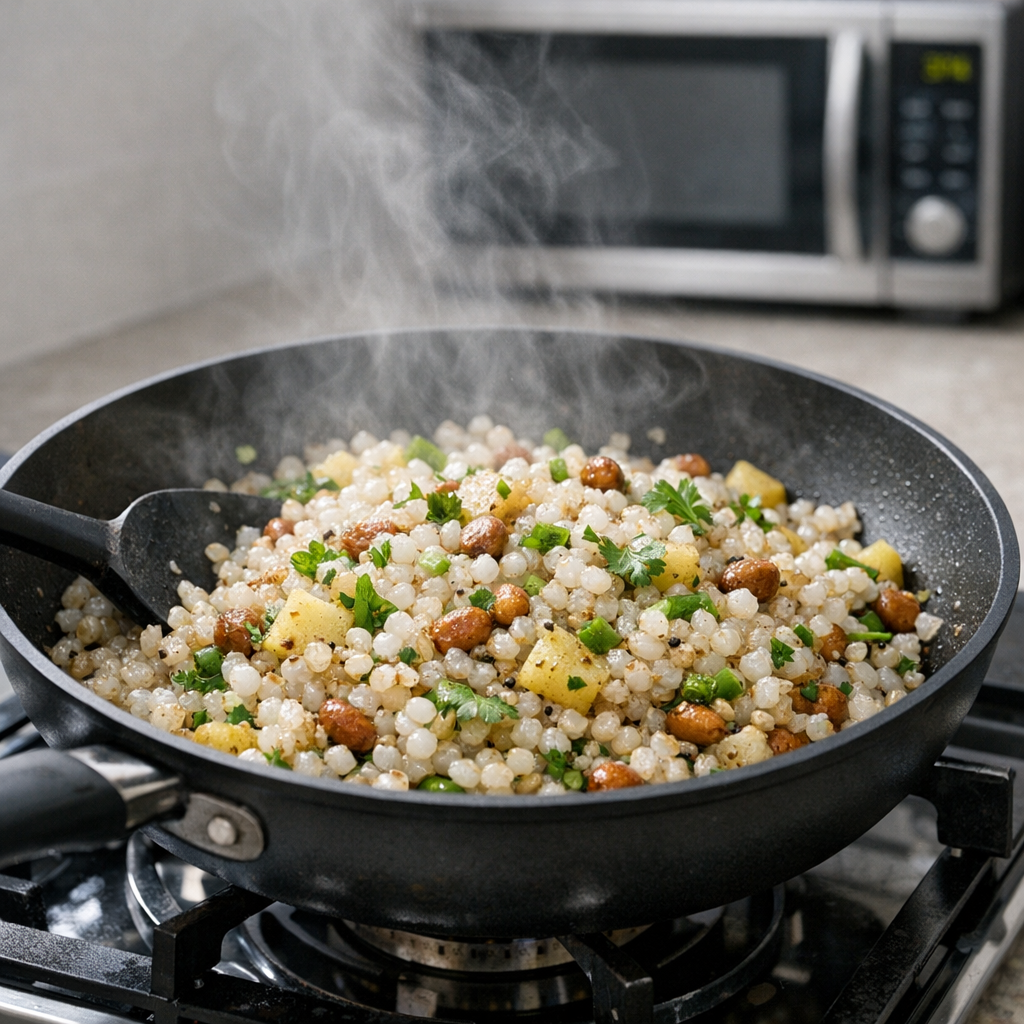
A non-stick pan can make life easier, and so can patience. On the stove top, sabudana loves gentle handling, not overenthusiastic stirring that turns everything cloudy. Think of it as fluffing a pillow, not wrestling a dragon.
If you are learning through step pictures, pay attention to shine, separation, and softness. A quick taste test is often better than blindly trusting the clock, because each batch of pearls has its own tiny mood.
Stove Top Comfort And Microwave Reality
The stove top version feels classic because it lets aroma build slowly, especially when cumin seeds and curry leaves wake up the kitchen. That sizzle is basically the soundtrack of a Maharashtrian fasting morning.
Still, modern life is modern life, and microwave heating of sabudana khichdi is a real thing, especially for leftovers. The trick is to keep the texture cheerful instead of dry or rubbery, because reheated pearls can be dramatic if ignored.
Serving Vibes For Fasting Season
A bowl of sabudana khichdi can stand proudly on its own, but little touches make it feel special. Grated coconut adds a soft sweetness, coriander leaves bring freshness, and lemon juice makes every bite sparkle.
This is the kind of fasting meal that does not feel like a compromise. During fasting days, it fills the gap between tradition and appetite, and it works just as well for breakfast, brunch, or that cozy evening craving when the kitchen calls your name.
Friendly Notes Before You Cook
Before you jump into the recipe card, remember that this maharashtrian sabudana khichdi recipe is less about perfection and more about rhythm. Once you understand the pearls, the peanuts, and the moisture, the dish becomes calm, forgiving, and surprisingly fun.
If you have only ever feared sabudana because of past sticky disasters, let this be your reset button. With the right consistency, a good taste test, and a little confidence, this beloved maharashtrian sabudana khichdi recipe can become your favorite fasting season comfort bowl.
Comments
No Comments